Buying Real Estate in Mauritius as a Foreigner
7 min read
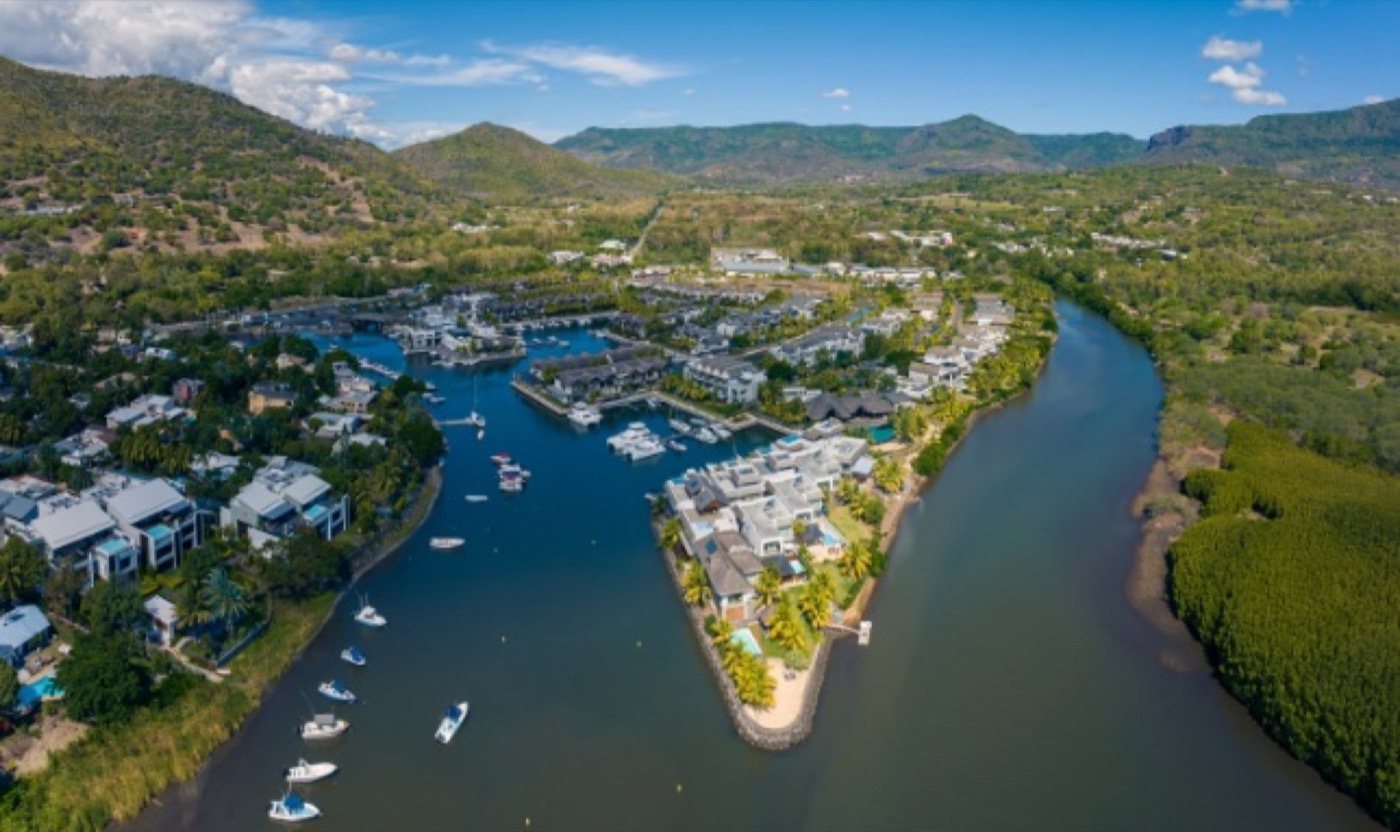
Foreigners can legally buy real estate in Mauritius, but only through specific government-approved schemes, not on the open market. Which scheme you qualify for, how much you must spend, and what residency rights come with your purchase depend on the property type and your circumstances. Getting the framework right before you start viewing properties saves significant time and avoids costly mistakes.
Who Can Buy Property in Mauritius?
Mauritian citizens can purchase any property. Non-citizens, regardless of nationality, are restricted to properties sold under schemes approved by the Economic Development Board (EDB). Attempting to buy outside these schemes, including through nominee arrangements, is illegal and can result in forfeiture of the property.
There is no restriction based on nationality alone. South Africans, Europeans, Indians, Australians, and nationals from most other countries are all eligible, provided they purchase within the approved frameworks.
The Main Property Schemes Available to Foreigners
Integrated Resort Scheme (IRS) and Real Estate Scheme (RES)
These are the two oldest frameworks. IRS properties are large-scale resort developments offering villas, apartments, and penthouses. RES developments are smaller, with a maximum of 10 hectares. Both allow foreigners to purchase freehold property.
- Minimum purchase price: USD 375,000 for IRS properties. RES has no minimum price floor set by regulation, though individual developments set their own.
- Residency benefit: Purchasing at USD 375,000 or above grants the buyer, and their dependants, a residence permit valid for the duration of property ownership.
- Resale: Properties can be resold to other foreigners or to Mauritian citizens.
Property Development Scheme (PDS)
The PDS replaced and consolidated the IRS and RES frameworks in 2015, though legacy IRS and RES developments continue to operate under their original approvals. New developments now fall under PDS rules.
- Minimum purchase price: USD 375,000 to qualify for a residence permit.
- Key difference from IRS/RES: PDS requires that at least 25% of units be sold to Mauritian citizens, which integrates developments more closely with the local community.
- Eligible buyers: Non-citizens and members of the Mauritian diaspora.
Smart City Scheme
Smart Cities are large mixed-use developments combining residential, commercial, and light industrial zones. Foreign nationals can buy residential units within Smart City projects.
- Minimum purchase price: No fixed minimum, though the USD 375,000 threshold still applies to trigger residency rights.
- Appeal: These developments tend to offer more urban-style living, closer to business districts and amenities, compared to the resort-style IRS/RES/PDS properties.
Ground+2 Scheme
This scheme allows foreigners to purchase apartments in buildings of at least three floors (ground floor plus two upper floors), located outside the coastal zone and certain protected areas.
- Minimum purchase price: MUR 6 million (approximately USD 135,000 at current rates).
- Residency benefit: No automatic residence permit at this price point. The USD 375,000 threshold still applies for residency.
- Practical use: Suitable for buyers who want a lower entry price and do not require residency rights, for example, those already holding a different visa category.
What Does Property Actually Cost in Mauritius?
Prices vary considerably by location, scheme, and property type. The following ranges reflect the current market.
- Entry-level PDS apartment: USD 375,000–USD 500,000
- Mid-range PDS villa: USD 600,000–USD 1.2 million
- Premium IRS villa (Grand Baie, Tamarin, Bel Ombre): USD 1.5 million–USD 5 million+
- Ground+2 apartment: MUR 6 million–MUR 15 million (approximately USD 135,000–USD 335,000)
The north and west coasts, particularly Grand Baie, Pereybère, Tamarin, and Black River, command the highest prices. The south (Bel Ombre, Blue Bay) offers comparable quality at slightly lower price points. The east coast (Trou d'Eau Douce, Belle Mare) is popular for its beaches and has seen steady price growth.
The Legal Process for Buying Property in Mauritius
The transaction follows Mauritian civil law, which is based on the French Napoleonic code. All property transfers must be executed by a Notary.
Step 1: Reservation Agreement
Once you identify a property, you sign a reservation agreement and pay a deposit, typically 1–2% of the purchase price. This takes the property off the market while due diligence proceeds.
Step 2: Preliminary Sale Agreement (Contrat Préliminaire de Vente)
This is a legally binding contract signed before the Notary. It sets out the full terms of the sale, the price, conditions precedent (such as mortgage approval or EDB authorisation), and the timeline. A further deposit, usually 10% of the purchase price, is paid at this stage.
Step 3: EDB Authorisation
For purchases under the PDS, IRS, or RES, the transaction must be notified to and approved by the Economic Development Board. The Notary typically manages this process. Approval is generally straightforward for compliant transactions.
Step 4: Final Deed of Sale (Acte de Vente)
The balance of the purchase price is paid, and ownership transfers. The Notary registers the deed with the Conservatoire des Hypothèques (land registry).
Typical Transaction Costs
| Cost | Rate |
|---|---|
| Registration duty | 5% of purchase price |
| Notary fees | ~1% of purchase price |
| EDB processing fee | USD 1,000 (flat) |
| Agent commission | 2–3% (typically paid by seller) |
Budget approximately 6–7% above the purchase price to cover all transaction costs.
Financing Your Purchase
Several Mauritian banks offer mortgage facilities to foreign buyers, though lending criteria are stricter than for residents and loan-to-value ratios are generally capped at 60–70% of the property value. You will need to demonstrate income, provide proof of funds for the deposit, and in most cases hold or be applying for a residence permit.
Buyers who are financing from abroad should account for currency conversion costs and the time required for international transfers, delays at this stage can create complications at the final deed signing.
Residency Rights Linked to Property Purchase
Purchasing a qualifying property at USD 375,000 or above entitles the buyer to apply for a residence permit. This permit:
- Is valid for as long as the property is owned
- Covers the buyer, their spouse, and dependent children under 24
- Does not require the holder to live in Mauritius full-time
- Does not automatically lead to citizenship (citizenship requires 15 years of ordinary residence)
This route is one of the most straightforward ways for non-citizens to obtain long-term residency in Mauritius, and it is frequently used by retirees and entrepreneurs who want a formal legal basis for spending extended periods on the island.
Common Mistakes to Avoid
Buying outside the approved schemes. Some buyers have attempted to purchase local property through Mauritian nominees. This is illegal, and the courts have upheld forfeiture in such cases.
Underestimating transaction costs. The 5% registration duty alone is a material sum on a USD 375,000 purchase. Factor all costs in before committing.
Choosing a developer without checking EDB approval. Not every development marketed to foreigners holds valid EDB approval. Verify scheme status directly with the EDB before signing anything.
Ignoring the snagging process. Off-plan purchases are common in Mauritius. Build in time for a thorough inspection before accepting handover, rectifying defects after the final deed is signed is significantly harder.
Working With Professionals
You will need a Notary, this is not optional, it is a legal requirement. Many buyers also work with a local property lawyer (separate from the Notary) to review contracts independently. A reputable real estate agent with specific experience in foreign buyer transactions is valuable for navigating scheme-specific rules and identifying properties with clear title.
Choosing professionals who work regularly with international buyers, rather than those who primarily serve the local market, reduces the risk of process delays caused by unfamiliarity with foreign documentation requirements.
Frequently asked questions
Can foreigners buy property in Mauritius?
Yes. Foreign nationals can buy property in Mauritius, but only through government-approved schemes such as the Property Development Scheme (PDS), Integrated Resort Scheme (IRS), Real Estate Scheme (RES), Smart City Scheme, or the Ground+2 Scheme. Purchasing outside these frameworks is illegal.
What is the minimum price a foreigner must pay to buy property in Mauritius?
There is no single universal minimum, but the Ground+2 Scheme allows purchases from approximately MUR 6 million (around USD 135,000). To qualify for a residence permit through property ownership, the purchase price must be at least USD 375,000.
Does buying property in Mauritius give you residency?
Yes, provided the purchase price is USD 375,000 or above under an approved scheme. The residence permit covers the buyer, their spouse, and dependent children under 24, and remains valid for as long as the property is owned.
What are the transaction costs when buying property in Mauritius?
The main costs are a 5% registration duty on the purchase price, approximately 1% in Notary fees, and a USD 1,000 EDB processing fee. In total, buyers should budget around 6–7% above the purchase price to cover all transaction costs.
Can foreigners get a mortgage in Mauritius?
Yes. Several Mauritian banks offer mortgages to foreign buyers, typically with a loan-to-value ratio of 60–70%. Applicants must demonstrate income and provide proof of funds for the deposit. Holding or applying for a residence permit is usually required.
What is the difference between IRS, RES, and PDS properties in Mauritius?
The IRS (Integrated Resort Scheme) and RES (Real Estate Scheme) are older frameworks for large and mid-size resort developments respectively. The PDS (Property Development Scheme) replaced them in 2015 and now governs new developments. All three allow foreigners to purchase freehold property and qualify for residency at the USD 375,000 threshold. PDS additionally requires at least 25% of units to be sold to Mauritian citizens.
Which areas of Mauritius are most popular for foreign property buyers?
The north and west coasts, particularly Grand Baie, Tamarin, and Black River, attract the most foreign buyers and carry the highest prices. Bel Ombre and Blue Bay in the south offer comparable quality at slightly lower price points. The east coast around Belle Mare and Trou d'Eau Douce is also well established.
Enjoyed this article?
Get new guides and practical relocation news from Mauritius Relo in your inbox.