Live Paradise
7 min read
What 'Live Paradise' Actually Means for Relocating Adults
Mauritius is one of the few places in the world where the phrase "live paradise" is not just marketing language, it is a legally structured opportunity. The Mauritian government has built a framework of residency permits, property purchase schemes, and tax incentives specifically designed to attract internationally mobile individuals who want to live and work, or retire, on the island permanently. Understanding what that framework looks like in practice, costs, timelines, obligations, and trade-offs, is what separates a realistic plan from a vague aspiration.
This guide is written for adults who are seriously considering a move: retirees evaluating whether their pension goes further here, entrepreneurs weighing the tax environment, remote workers assessing internet reliability and cost of living, and families thinking through schooling and healthcare. It covers the core questions in plain terms.
Who Can Legally Live in Mauritius Long-Term?
Mauritius does not offer residency to anyone who simply arrives and stays. Long-term legal residence requires one of several defined pathways, each with its own financial threshold and documentation requirements.
The Premium Visa
The Premium Visa is the most accessible entry point. It is issued for up to one year, renewable, and is designed for remote workers and self-employed individuals who earn income from outside Mauritius. There is no minimum income threshold stated in law, but applicants must demonstrate they are financially self-sufficient. The application is processed online and is relatively straightforward compared to other permit categories.
The Occupation Permit (OP)
The Occupation Permit combines a work permit and a residency permit in a single document. It is available to investors, professionals employed by a Mauritian company, and self-employed individuals. The investor category requires a minimum investment of USD 100,000. The professional category requires a minimum monthly salary of MUR 50,000 (approximately USD 1,300 at mid-2024 rates, though exchange rates fluctuate). Occupation Permits are issued for up to three years and are renewable.
The Retired Non-Citizen Permit
Applicants aged 50 and over who are not taking up employment in Mauritius can apply for a Retired Non-Citizen Permit. The condition is transferring a minimum of USD 1,500 per month, or USD 18,000 per year, into a Mauritian bank account. This permit is issued for ten years and is renewable. It is one of the most stable long-term residency options available.
Property-Linked Residency
Purchasing property in Mauritius above a threshold of USD 375,000 through an approved scheme, such as the Property Development Scheme (PDS) or the Smart City Scheme, automatically qualifies the buyer for a residency permit. This route is popular among retirees and investors who want to own rather than rent.
What Does It Cost to Live in Mauritius?
Cost of living in Mauritius sits well below Western Europe, North America, and Australia for most categories, but it is not as low as Southeast Asia. The figures below reflect mid-2024 data and are approximate.
- Rent (two-bedroom apartment, Grand Baie or Tamarin area): MUR 35,000–70,000 per month (USD 750–1,500)
- Groceries (couple, one month): MUR 12,000–20,000 (USD 260–430)
- Private health insurance (individual, comprehensive): USD 150–350 per month depending on age and cover
- Utilities (electricity, water, internet): MUR 5,000–9,000 per month (USD 110–195)
- Eating out (mid-range restaurant, two people): MUR 1,500–3,000 (USD 32–65)
A couple living comfortably, renting a good apartment, eating out several times a week, running a car, typically spends between USD 2,500 and USD 4,500 per month. Retirees with modest habits can live on less. Those who purchase property rather than renting reduce their ongoing monthly outgoings significantly.
Taxation: What Relocating Residents Actually Pay
Mauritius operates a flat income tax rate of 15 percent. There is no capital gains tax, no inheritance tax, and no wealth tax. Mauritius has double taxation agreements with over 40 countries, which means many residents avoid being taxed twice on the same income.
For retirees transferring pension income into Mauritius, the tax position is generally favourable, but it depends on the tax treaty between Mauritius and the country of origin. French, South African, and British nationals, among others, have specific treaty provisions worth examining with a qualified tax adviser before making any decisions.
Corporate tax is also 15 percent, which draws entrepreneurs and business owners who want to establish a holding company or operating entity in a stable, well-regulated jurisdiction.
Healthcare in Mauritius: What Residents Use
Mauritius has a public healthcare system that is free at the point of use for all residents, including foreigners with a valid permit. The quality of public hospitals varies, routine care and emergencies are generally handled adequately, but specialist treatment and elective procedures are often better accessed privately.
Private hospitals, particularly Clinique Darné and Apollo Bramwell Hospital, offer a standard of care comparable to mid-tier private facilities in Europe. Most long-term residents take out private health insurance. For complex procedures, cardiac surgery, oncology, advanced orthopaedics, medical evacuation to South Africa, India, or France is common and should be factored into insurance cover.
Schooling for Families
Mauritius has a range of international schools offering British, French, and International Baccalaureate curricula. The most established options are concentrated in the north and west of the island. Fees typically range from MUR 150,000 to MUR 350,000 per year (USD 3,200–7,500), depending on the school and year group. Places at the most sought-after schools require early application, waiting lists are real.
The public school system operates in English and French but is generally not suitable for children who arrive without French language skills, particularly at secondary level.
Practical Realities: Internet, Transport, and Daily Life
Fibre broadband is available across most residential areas and is reliable for remote work. Speeds of 100–500 Mbps are standard in new developments. Mobile connectivity is good across the main population areas.
Mauritius does not have a comprehensive public transport network outside of bus routes, which are slow and not practical for most relocated adults. A car is effectively necessary. Driving is on the left. Roads are congested during peak hours, particularly around Port Louis and the M1 motorway corridor.
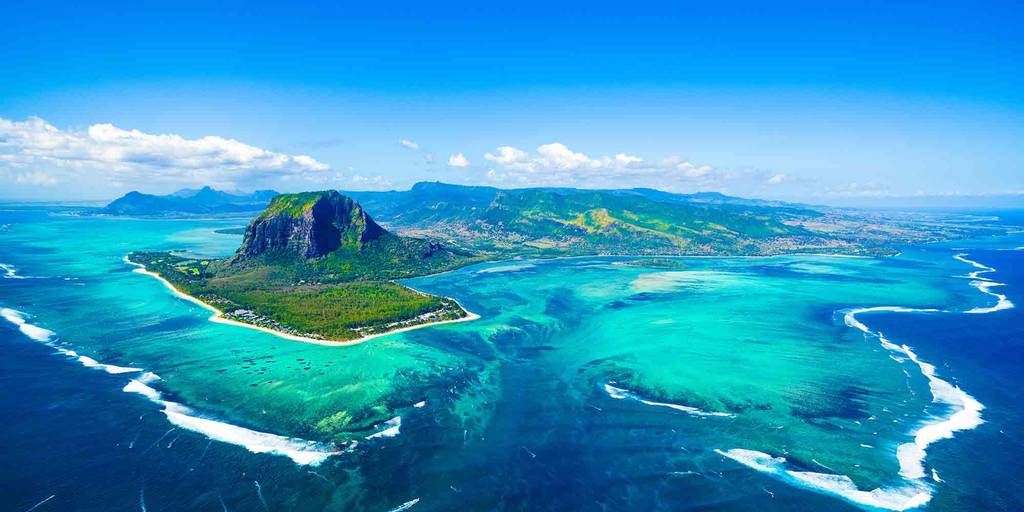
The island is small, roughly 65 km by 45 km, so no location is more than an hour from another by car in normal traffic. Most relocating adults settle in the north (Grand Baie, Pereybere), the west (Tamarin, Black River), or the east (Belle Mare, Trou d'Eau Douce), each with a distinct character and price point.
How to Start the Process
The single most common mistake people make when planning to live in Mauritius long-term is treating the visa or permit as the first step. It is not. The correct sequence is:
- Clarify your tax residency position in your current country before you leave.
- Identify which Mauritian permit category fits your situation.
- Open a Mauritian bank account, this is required for most permit applications and takes longer than expected.
- Secure accommodation (a signed lease or property purchase agreement is required for permit applications).
- Submit the permit application with complete documentation.
Working with a licensed relocation adviser or immigration lawyer who is based in Mauritius and familiar with your nationality significantly reduces processing delays and rejected applications.
Frequently asked questions
What is the minimum investment required to live in Mauritius as an investor?
To qualify for an Occupation Permit as an investor in Mauritius, you must invest a minimum of USD 100,000 in a Mauritian business. This permit combines work and residency rights and is valid for up to three years, renewable.
Can I retire in Mauritius on a pension?
Yes. Mauritius offers a Retired Non-Citizen Permit for applicants aged 50 and over who transfer at least USD 1,500 per month (USD 18,000 per year) into a Mauritian bank account. The permit is valid for ten years and is renewable. You cannot take up employment under this permit.
Is Mauritius tax-free for foreign residents?
Mauritius is not tax-free, but it is tax-efficient. The flat income tax rate is 15 percent. There is no capital gains tax, no inheritance tax, and no wealth tax. Mauritius has double taxation agreements with over 40 countries, which can reduce or eliminate double taxation on foreign-sourced income depending on your nationality.
Do I need to buy property to get residency in Mauritius?
No. Property purchase is one route to residency, buying above USD 375,000 in an approved scheme qualifies you for a residency permit, but it is not the only route. Occupation Permits, Retired Non-Citizen Permits, and the Premium Visa all allow legal long-term residence without property ownership.
How long does it take to get a residency permit in Mauritius?
Processing times vary by permit type. The Premium Visa is typically issued within a few weeks of a complete online application. Occupation Permits and Retired Non-Citizen Permits generally take six to twelve weeks from submission of a complete application, though delays occur when documentation is incomplete.
Is Mauritius safe for families and retirees?
Mauritius has one of the lowest crime rates in Africa and is generally considered safe for expatriate families and retirees. Petty theft exists in tourist-heavy areas, as in any country, but violent crime against residents is uncommon. The island has a stable government, an independent judiciary, and a functioning rule of law.
What is the cost of private health insurance in Mauritius?
Private health insurance for an individual in Mauritius typically costs between USD 150 and USD 350 per month, depending on age, the level of cover, and whether medical evacuation is included. Comprehensive cover that includes evacuation to South Africa or India is strongly recommended for long-term residents.
Enjoyed this article?
Get new guides and practical relocation news from Mauritius Relo in your inbox.