Relocate to Mauritius: Cost, Lifestyle & Regions
6 min read
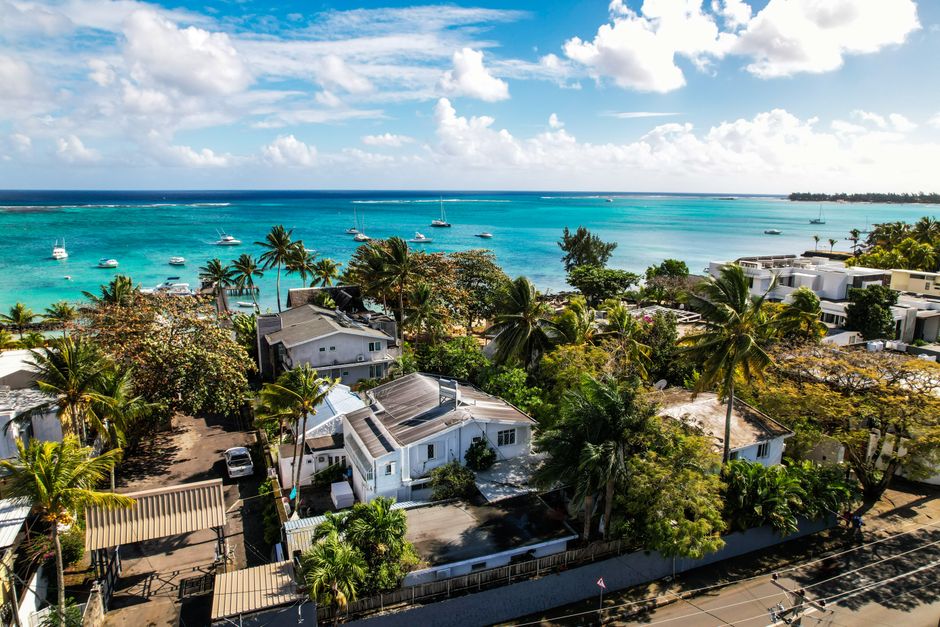
What is it really like to relocate to Mauritius?
Relocating to Mauritius means trading pace and predictability for climate, coastline and a genuinely international everyday life, all at a cost of living that is generally lower than Western Europe or North America but far from uniform across the island. Where you land, north, west or the cooler central plateau, shapes your budget and your daily rhythm as much as anything. This guide focuses on the lived reality: what things cost in broad terms, what lifestyle to expect, and how to pick a region. For visas and the emigration process, see our dedicated guides.
How much does it cost to live in Mauritius?
Honestly, it depends heavily on how you live and where. Rather than quote precise prices that date quickly, it helps to think in ranges and drivers.
The biggest single variable is housing. A modest apartment inland or in a local town costs a fraction of a serviced villa near a west coast beach. Coastal and expatriate favoured areas command a clear premium; move a few kilometres inland and rents fall sharply.
Other drivers:
- Imported goods. Local produce, street food and Mauritian staples are inexpensive. Imported groceries, wine, electronics and cars carry a noticeable markup, so a Western shopping basket costs more than newcomers expect.
- Eating out. Local eateries are cheap and excellent. International restaurants in resort areas are priced accordingly.
- Transport. Running an imported car is a meaningful cost; the public bus network and the light rail on the Curepipe to Port Louis corridor are cheap alternatives.
- Schooling and healthcare. Private international schools and private clinics add up if you need them, though public services exist.
- Domestic help and services. Labour is affordable, which is why many households employ help.
As a framing device, sketch a monthly budget in three layers: fixed housing, everyday living (food, transport, utilities, connectivity), and lifestyle (dining out, travel, schooling, help). A single person living locally and a family renting on the coast can differ by several multiples. Rather than trust a single headline figure, model your own numbers with our cost calculator, which lets you flex housing and lifestyle assumptions for the region you have in mind.
Does tax affect the cost of relocating?
It can, favourably. Mauritius has no capital gains tax and no inheritance or estate tax, and personal income tax is progressive rather than a flat charge: for the income year from 1 July 2026 it runs 0% on the first MUR 500,000, then 10%, 20% and 35% on higher bands. (VAT and corporate tax are separately 15%, but that is not your personal income tax rate.) How this applies to you depends on your residence status, so read our emigration guide and confirm current figures with the Mauritius Revenue Authority (mra.mu) and the Economic Development Board (edbmauritius.org).
Last reviewed: September 2026.
What is the lifestyle like day to day?
Expect an outdoor, water oriented life. Swimming, snorkelling, diving, kitesurfing, hiking and golf are all within easy reach, and the climate supports them most of the year. The society is multicultural, with Hindu, Christian, Muslim and Sino Mauritian communities living side by side, reflected in a calendar full of festivals and one of the more interesting food cultures anywhere.
The trade offs are real. Mauritius is an island, so it is remote, choice in shops can be narrower than a big city, and administrative tasks move at their own pace. Cyclone season runs over the southern hemisphere summer. The reward is a slower, safer, sunnier daily life that many people find hard to give up once they have it.
How do you choose a region in Mauritius?
Region is the decision that most colours your relocation. The three areas newcomers weigh most often are the north, the west and the central plateau.
The north
Centred on Grand Baie, the north is the island's most developed expatriate and tourist hub. It offers the widest range of restaurants, shops, marinas and nightlife, calmer lagoon swimming, and a large international community, which makes arriving easier. The trade off is higher property prices, more crowding in peak season and a busier feel.
The west
The west coast, around Tamarin, Black River and Flic en Flac, draws people who want beaches, dolphins, kitesurfing and dramatic mountain backdrops, with a relaxed, outdoorsy community and many families. It is drier and sunnier than much of the island. Prime coastal property here is sought after and priced to match, though inland options are gentler.
The central plateau
Towns such as Curepipe, Floreal, Moka and Quatre Bornes sit inland at altitude. They are noticeably cooler and greener, closer to the business districts, universities and the light rail line, and generally better value than the coast. They suit people working locally, families wanting schools and everyday amenities, and anyone who finds coastal heat and humidity tiring. The trade off is more rain, cloud and distance from a beach.
A simple way to choose: prioritise convenience and community and lean north; prioritise beaches and outdoor sport and lean west; prioritise value, cooler air and proximity to work and schools and lean central. Many people rent in one area for a season before buying anywhere.
What about the practical move itself?
The logistics of relocating, shipping belongings, temporary housing on arrival, setting up utilities and connectivity, and finding schools, are all worth planning, but each is a topic in its own right. See our dedicated guides for those rather than trying to solve them here. The point of this article is the decision underneath them: what life costs and where you want to live it.
Plan your relocation with clearer eyes
Relocating to Mauritius is very doable, but the smart move is to model your own budget for a specific region rather than trust a single headline number. Explore our starter guide for orientation, our emigration guide for the permit process, and our cost calculator to pressure test your monthly spend before you commit. Mauritius Relo is here to keep your planning grounded and honest.
Frequently asked questions
Is Mauritius cheaper than Europe?
Generally yes, especially for housing away from the coast, local food and services. But imported goods, cars, wine and coastal property can be expensive, so a Western lifestyle narrows the gap. Model your own budget with our cost calculator for your chosen region.
Which part of Mauritius is best for expats?
There is no single best area. The north (Grand Baie) offers the most amenities and community, the west (Tamarin, Flic en Flac) is best for beaches and outdoor sport, and the central plateau is cooler, better value and closer to work and schools.
Do I pay a flat 15% income tax if I relocate to Mauritius?
No. Personal income tax is progressive, from 0% up to 35% across bands for the income year from 1 July 2026. VAT and corporate tax are separately 15%. There is no capital gains or inheritance tax. Confirm rates with the Mauritius Revenue Authority (mra.mu).
Should I rent before buying in Mauritius?
For most people, yes. Renting for a season in a region you like lets you test the climate, commute, community and everyday costs before committing to a purchase, which can also be a route to residence from USD 375,000 under an approved scheme.
Enjoyed this article?
Get new guides and practical relocation news from Mauritius Relo in your inbox.