
Furniture Removals to Mauritius: Full Guide
7 min read
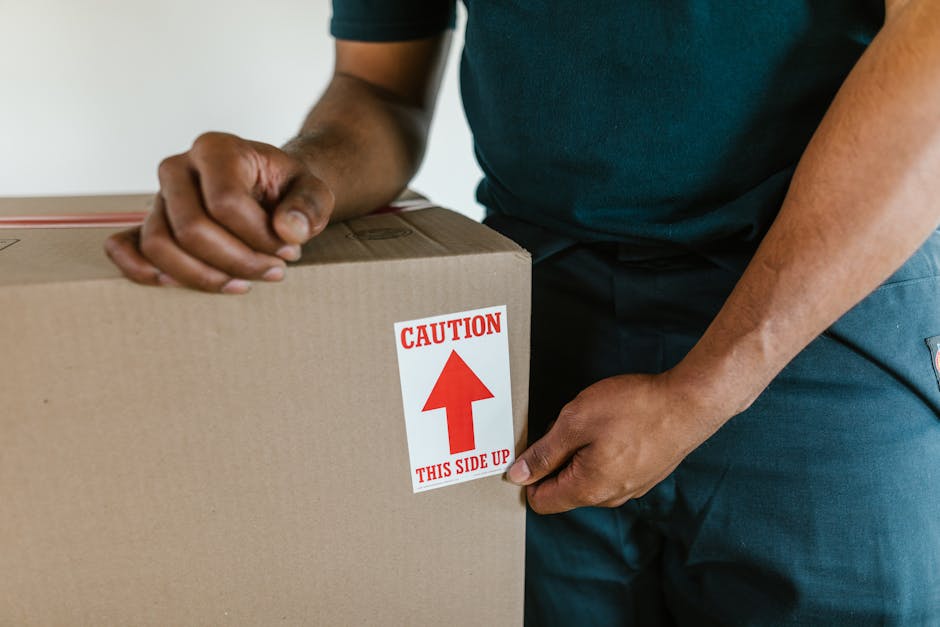
What You Need to Know About Furniture Removals to Mauritius
Shipping furniture and household goods to Mauritius takes more coordination than most people anticipate. The island has no land borders, which means every item you move arrives by sea freight or, for smaller consignments, by air. Getting the logistics sequence right, choosing the right freight forwarding partner, understanding customs rules, and arranging storage services if your home is not ready on arrival day, saves you weeks of delay and avoids costly mistakes.
This guide covers the full process: from packing and moving supplies through to freight forwarding, customs clearance, moving insurance, and final delivery inside Mauritius.
How Furniture Actually Gets to Mauritius
All large-scale furniture removals to Mauritius move by sea, arriving at the Port Louis Harbour, the island's main commercial port. Two main shipping options exist:
- Full Container Load (FCL): You fill an entire 20-foot or 40-foot container. This is cost-effective for a full household and gives you the fastest, most predictable transit because the container is not shared.
- Less than Container Load (LCL): Your goods share a container with other shippers' cargo. Transit times are longer because the container must consolidate and deconsolidate at each end. LCL suits smaller moves, such as a few pieces of furniture rather than an entire home.
Typical sea freight transit times from Europe run 20 to 30 days. From South Africa, transit can be as short as 10 to 14 days. From North America or Australia, allow 30 to 45 days depending on routing.
Air freight is available for high-value, low-volume items (artwork, antiques, a single piece of designer furniture) but the cost per kilogram makes it impractical for full household moves.
Choosing a Freight Forwarding Partner
Freight forwarding is the backbone of any international furniture removal. A good freight forwarder handles the export paperwork in your origin country, books the shipping line, manages the bill of lading, coordinates customs clearance at Port Louis, and arranges last-mile delivery to your Mauritian address.
When evaluating freight forwarding companies for removals to Mauritius, ask specifically:
- Do they have an established agent or office in Mauritius, or do they hand off to a third party at the port? Direct agent relationships reduce the risk of communication gaps during customs clearance.
- Are they members of FIDI (the international federation of international furniture removers) or BAR (British Association of Removers) if you are moving from the UK? Membership signals adherence to quality and financial protection standards.
- Can they provide a door-to-door quote that includes origin packing, sea freight, destination customs clearance, and delivery? Comparing like-for-like quotes is only possible when every cost is itemised.
Within Mauritius, transportation services for the final leg (moving your goods from the port to your home) are typically arranged by the local agent. Confirm in advance whether the quote includes a moving truck and crew for the delivery day, or whether you need to arrange this separately.
Customs Rules and Duty-Free Allowances
Mauritius Customs grants a duty-free allowance on used household goods and personal effects for people who are relocating to take up permanent or long-term residence. The key conditions are:
- The goods must have been owned and used by you for at least six months before shipment.
- You must be arriving to settle in Mauritius (not importing goods for resale).
- The goods must arrive within a reasonable period of your own arrival, typically within 12 months.
New or unused furniture does not qualify for the duty-free concession and will attract import duty and VAT (currently 15% on goods). Antiques and high-value items may require separate valuation. Always obtain a detailed inventory with declared values before your shipment departs, because Mauritius Customs will assess duty on any item they deem to be new or commercially imported.
Confirm the exact current requirements with the Mauritius Revenue Authority (MRA) before your shipment departs, as rules and documentation requirements can change.
Packing, Moving Supplies, and Origin Preparation
Proper packing is both a practical and a customs requirement. Mauritius has strict biosecurity rules: wooden packing materials (crates, pallets, dunnage) must be ISPM 15 certified (heat-treated and stamped). Untreated wood can be seized and destroyed at the port, which delays your entire consignment.
For the goods themselves, professional-grade moving supplies make a significant difference to what arrives intact:
- Double-walled cardboard boxes for books, kitchenware, and small items
- Furniture blankets and stretch wrap for upholstered pieces and wooden furniture
- Custom timber crating for marble tabletops, large mirrors, and artwork
- Vacuum bags for soft furnishings to reduce volume in the container
If your removal company is packing on your behalf, they will supply these materials. If you are self-packing, source materials from a specialist moving supplies supplier and ensure wooden crates are ISPM 15 compliant before the container is sealed.
Storage Services in Mauritius
If your property is not ready when your container arrives, or if you are arriving before your furniture (or after it), you will need storage services in Mauritius. Several options exist:
- Port-side storage: Your freight forwarder's local agent can arrange temporary bonded warehousing at or near the port. This is convenient but costs accumulate quickly, typically charged per day or per week.
- Commercial self-storage: A small number of facilities offer climate-controlled or standard self-storage units around the greater Port Louis and Ebene areas. Availability is more limited than in larger markets, so book in advance.
- Removal company storage: Some local removal and transportation services companies offer storage as part of a bundled service, which can simplify billing and responsibility.
Clarify who holds insurance liability for your goods while in storage before you sign any agreement.
Moving Insurance: Do Not Skip This
Moving insurance (formally called marine cargo insurance) is not legally required, but it is strongly advisable for any international furniture removal. Standard freight carrier liability is based on weight, not value, meaning a damaged grand piano might be compensated at a fraction of its replacement cost.
A comprehensive moving insurance policy covers all risks of physical loss or damage during transit, loading, unloading, and, if specified, during storage. When comparing policies:
- Check whether the policy is all-risks or named-perils only. All-risks is broader and generally preferable.
- Confirm that the sum insured reflects full replacement value, not depreciated value.
- Ask whether the policy covers the period your goods are in port-side storage awaiting customs clearance.
- Check the claims process: some insurers require notification within 24 to 48 hours of delivery.
Your removal company may offer moving insurance as an add-on. You can also source it independently through specialist marine cargo insurers. Compare both options before committing.
Same Day Moving and Local Deliveries Within Mauritius
Once your container has cleared customs and reached a local warehouse, same day moving (delivery from warehouse to your home on the same day as clearance) is sometimes possible but depends on several factors: the time of day clearance is granted, the distance from the warehouse to your property, and the availability of a moving truck and crew.
For internal moves within Mauritius (relocating from one home to another on the island), same day moving is far more straightforward. Local transportation services companies operate moving trucks ranging from small vans suitable for a few pieces of furniture to large trucks for full household moves. Book at least one to two weeks in advance during peak periods (December to January and June to July, when many expatriates arrive or depart).
Practical Checklist for Furniture Removals to Mauritius
- Obtain at least three door-to-door quotes from freight forwarding companies with established Mauritius agents
- Confirm your duty-free eligibility with the MRA before shipping
- Prepare a detailed, itemised inventory with estimated values for every box and piece of furniture
- Ensure all wooden packing materials are ISPM 15 certified
- Arrange moving insurance before the container is sealed
- Book storage services in Mauritius in advance if your property will not be ready on arrival
- Confirm whether your delivery quote includes a moving truck and crew for the final leg
- Keep digital copies of all shipping documents (bill of lading, packing list, insurance certificate) accessible during transit
For broader guidance on relocating to Mauritius, including visa and permit requirements, refer to our dedicated relocation guides.
Frequently asked questions
How long does shipping furniture to Mauritius take?
Sea freight transit times vary by origin. From Europe, expect 20 to 30 days. From South Africa, 10 to 14 days. From North America or Australia, allow 30 to 45 days. Add time for customs clearance at Port Louis, which typically takes a few days to a week depending on documentation.
Can I import my furniture duty-free when moving to Mauritius?
Used household goods and personal effects may qualify for a duty-free concession if you are relocating to Mauritius, the items have been owned and used by you for at least six months, and they arrive within 12 months of your own arrival. New or unused furniture does not qualify and will be subject to import duty and VAT. Confirm current requirements with the Mauritius Revenue Authority (MRA).
Do I need a freight forwarder for furniture removals to Mauritius?
Yes, for any international furniture removal to Mauritius a freight forwarder is essential. They handle export documentation, book the shipping line, manage the bill of lading, coordinate customs clearance at Port Louis, and arrange delivery to your home. Attempting to manage this process independently is extremely difficult as a private individual.
What is moving insurance and do I need it for shipping to Mauritius?
Moving insurance (marine cargo insurance) covers physical loss or damage to your goods during international transit, loading, unloading, and storage. Standard carrier liability is based on weight, not value, so it rarely covers the true cost of damaged items. An all-risks policy covering the full replacement value of your goods is strongly recommended for any furniture removal to Mauritius.
Are there storage services available in Mauritius if my home is not ready?
Yes. Options include port-side bonded warehousing arranged through your freight forwarder's local agent, commercial self-storage facilities around Port Louis and Ebene, and storage offered by local removal companies. Availability is more limited than in larger markets, so book in advance and confirm who holds insurance liability while your goods are in storage.
What packing materials do I need for shipping furniture to Mauritius?
Use double-walled boxes, furniture blankets, and stretch wrap for most items. Any wooden crates or packing materials must be ISPM 15 certified (heat-treated and stamped) to comply with Mauritius biosecurity rules. Untreated wood can be seized at the port, causing significant delays to your entire shipment.
Can I rent a moving truck in Mauritius for local deliveries?
Yes. Local transportation services companies in Mauritius offer moving trucks and crews for deliveries and internal moves on the island. Vehicles range from small vans to large trucks for full household moves. Book one to two weeks in advance during peak periods such as December to January and June to July.
Related guides
Keep reading
Enjoyed this article?
Get new guides and practical relocation news from Mauritius Relo in your inbox.