Visa Mauritius: Entry Options, Residency Pathways and What Comes Next
7 min read
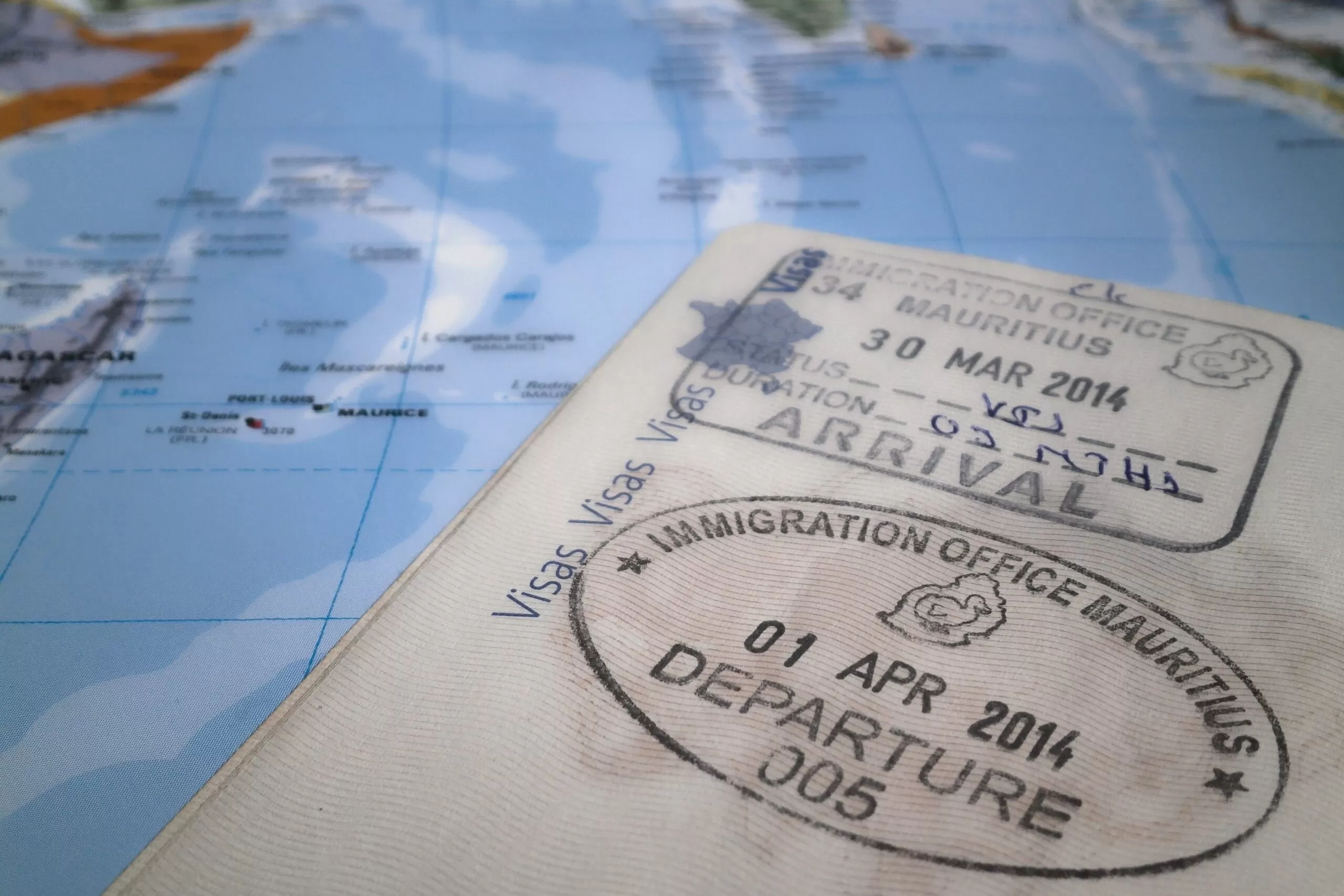
Choosing the right visa for Mauritius is the first decision that shapes everything else, your timeline, your housing options, your children's school enrolment, and whether your removal company can legally deliver your belongings before you have a confirmed address. This guide covers the main visa categories available to internationally mobile adults, then moves into the practical steps that follow once your entry status is confirmed.
What Visa Options Does Mauritius Offer?
Mauritius operates several distinct entry and residency categories. The right one depends on your income source, intended length of stay, and whether you plan to work, invest, or retire.
Tourist Entry (Visa on Arrival)
Citizens of most countries, including EU member states, the UK, the United States, Canada, Australia, and South Africa, receive a free visa on arrival valid for up to 180 days per year. This is not a work permit and does not allow you to generate income from Mauritius-based activities. Many people use this period to test the island before committing to a longer-term status.
Premium Visa
The Premium Visa is designed for remote workers, retirees, and investors who want to stay in Mauritius for up to one year, with the option to renew. Applicants must demonstrate sufficient financial means, typically a monthly income equivalent to at least USD 1,500, and hold valid health insurance. The application is submitted online through the Economic Development Board (EDB) portal. Processing generally takes five to ten business days. The Premium Visa does not grant the right to work for a Mauritian employer but does permit self-employment and remote work for overseas clients.
Occupation Permit (OP)
The Occupation Permit combines a work permit and a residence permit into a single document. It is available in three categories:
- Investor OP: Requires a minimum investment of MUR 35,000 per month in turnover during the first two years, or a minimum initial investment of USD 100,000.
- Professional OP: For salaried employees of a Mauritian company, with a minimum monthly salary of MUR 50,000 (or MUR 50,000 for specific priority sectors).
- Self-Employed OP: For professionals operating independently, with an annual income threshold of MUR 600,000.
An Occupation Permit is initially valid for three years and is renewable. After three years of continuous residence, holders may apply for a Permanent Residence Permit.
Retired Non-Citizen Permit
Applicants aged 50 and over can apply for a Retired Non-Citizen Permit by transferring a minimum of USD 1,500 per month, or USD 18,000 annually, into a Mauritian bank account. This permit is valid for ten years and is renewable. It does not permit employment.
Permanent Residence Permit (PRP)
After three years on an Occupation Permit, or through direct investment routes such as the Property Development Scheme (PDS), eligible applicants can apply for a twenty-year Permanent Residence Permit. PDS purchases above USD 375,000 automatically qualify the buyer and their dependants for a residence permit.
Practical Steps After Your Visa Is Confirmed
Securing your visa category is the starting point, not the finish line. The steps below run in rough sequence, though some overlap.
Temporary Housing in Mauritius
Before a long-term lease is signed, most relocating families stay in furnished short-term rentals. Temporary housing in Mauritius is widely available in areas such as Grand Baie, Tamarin, Flic en Flac, and Beau Bassin–Rose Hill. Monthly rates for a furnished two-bedroom apartment range from approximately MUR 35,000 to MUR 75,000 depending on location and specification. Booking two to four weeks of temporary accommodation before arrival gives you time to view properties in person rather than committing remotely.
School Search in Mauritius
Families relocating with children should begin their school search in Mauritius at least three to six months before the intended move date. International schools, including those following the British, French, and IB curricula, have limited places and waiting lists are common, particularly at secondary level. Schools are concentrated around Moka, Beau Bassin, and the northern coastal belt. Registration typically requires proof of residence, previous school reports, and immunisation records. Confirming a school place before finalising your neighbourhood choice is strongly advisable, as daily commutes across the island can be long.
Utilities Setup in Mauritius
Utilities setup in Mauritius is handled through separate providers. The Central Electricity Board (CEB) manages electricity connections; the Central Water Authority (CWA) manages water supply. Both require an application in person or online, along with proof of address and a copy of your lease or title deed. Broadband internet is available from several providers including Emtel, MyT (Mauritius Telecom), and Chili Fiber, with fibre connections increasingly available in urban and suburban areas. Budget two to four weeks for all connections to be active from the date of application.
Planning Your Move: Costs and Logistics
Cost of Moving to Mauritius
The cost of moving to Mauritius depends on origin country, volume of goods, and whether you ship by sea freight or air freight. A full-container load (FCL) from Europe typically costs between EUR 4,000 and EUR 8,000 for a standard family household. Shared container (LCL) shipments are cheaper but slower. Transit times from the UK or Europe average six to eight weeks by sea. Import duties apply to most household goods unless you qualify for a returning citizen or new resident exemption, your shipping agent should advise on the correct customs category before departure.
Affordable Moving to Mauritius
For those seeking more affordable moving options, consolidating your shipment into a shared container and reducing volume before departure are the two most effective cost controls. Selling or storing large furniture in your origin country and purchasing locally upon arrival can reduce shipping weight significantly. Mauritius has a reasonable selection of furniture retailers and second-hand markets, particularly in Port Louis and Quatre Bornes.
Moving Services in Port Louis
Several international and local freight forwarders operate moving services in Port Louis and can handle customs clearance, delivery, and unpacking. When selecting a provider, confirm that they are registered with the Mauritius Revenue Authority (MRA) and experienced in household goods importation. Ask specifically about their process for restricted or specialist items.
Piano Moving in Mauritius
Piano moving in Mauritius requires specialist handling. Standard removal companies may not carry the equipment or expertise needed for upright or grand pianos, particularly given the island's humidity levels and the need for climate-controlled transport. Confirm in advance that your chosen mover has experience with instrument logistics and can advise on acclimatisation periods after arrival to prevent tuning damage.
Moving Insurance in Mauritius
Moving insurance for a Mauritius shipment is not automatically included in most freight quotes. Marine cargo insurance should be arranged separately and should cover the full replacement value of your goods, not depreciated value. Check whether your existing home contents policy extends to international transit, most do not. A standalone marine policy typically costs between 0.5% and 1.5% of the declared value of your goods.
Key Contacts and Authorities
- Economic Development Board (EDB): Handles Premium Visa, Occupation Permit, and PRP applications, edbmauritius.org
- Mauritius Revenue Authority (MRA): Oversees customs and import duties, mra.mu
- Central Electricity Board: Electricity connections, ceb.mu
- Central Water Authority: Water supply, cwa.mu
Getting the visa category right before you begin the wider relocation process saves time, avoids wasted legal fees, and ensures that every subsequent step, from school enrolment to utilities registration, rests on a confirmed legal status.
Frequently asked questions
Do I need a visa to visit Mauritius?
Citizens of most countries, including the UK, EU member states, the US, Canada, Australia, and South Africa, receive a free visa on arrival valid for up to 180 days per year. No advance application is required.
What is the Mauritius Premium Visa and who qualifies?
The Premium Visa allows remote workers, retirees, and investors to stay in Mauritius for up to one year, renewable. Applicants must show a minimum monthly income of approximately USD 1,500 and hold valid health insurance. It does not permit employment with a Mauritian employer.
How long does it take to get a Mauritius Occupation Permit?
The Economic Development Board typically processes Occupation Permit applications within 10 to 15 business days once all required documents are submitted. The permit combines work and residence rights and is initially valid for three years.
What is the minimum investment to get residency in Mauritius through property?
Purchasing property through an approved scheme such as the Property Development Scheme (PDS) at a minimum value of USD 375,000 entitles the buyer and their dependants to a Mauritius residence permit.
How much does it cost to ship household goods to Mauritius?
A full-container sea freight shipment from Europe to Mauritius typically costs between EUR 4,000 and EUR 8,000 for a standard family household. Transit time averages six to eight weeks. Shared container options are cheaper but slower.
How do I set up electricity and water in Mauritius?
Electricity is managed by the Central Electricity Board (CEB) and water by the Central Water Authority (CWA). Both require an application with proof of address and a lease or title deed. Allow two to four weeks from application for connections to be active.
Is moving insurance included in Mauritius freight quotes?
Moving insurance is rarely included automatically. You should arrange a separate marine cargo insurance policy covering the full replacement value of your goods. A standalone policy typically costs between 0.5% and 1.5% of the declared value.
Can I move a piano to Mauritius?
Yes, but piano moving to Mauritius requires a specialist handler with experience in instrument logistics. Standard removal companies may lack the equipment or climate-controlled transport needed. Allow an acclimatisation period after arrival before having the instrument tuned.
Enjoyed this article?
Get new guides and practical relocation news from Mauritius Relo in your inbox.